The First Deputy Speaker of the National Assembly of Zambia, Hon. Malungo A. Chisangano, MP, has urged Members of Parliament, traditional leaders, and civil society to strengthen collaboration in ending child marriage, describing the practice as a violation of human rights and a threat to national development.
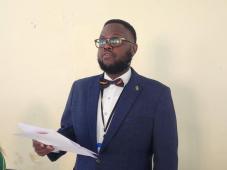
Speaking during a public lecture on “The Role of Traditional Leaders in Ending Child Marriage” at the University of Zambia on Monday, 10th November, 2025, Hon. Chisangano emphasised that Sexual and Reproductive Health and Rights (SRHR) are fundamental human rights that ensure access to accurate information, family planning, and healthcare for young people.
Mr. Stephen Kawimbe, National Assembly Deputy Clerk (Procedure), reaffirmed Parliament’s commitment to eradicating child marriage through its legislative and oversight roles. He highlighted Zambia’s progress through key laws such as the Anti-Gender-Based Violence Act (2011), Marriage Amendment Act (2023), and Child Code Act (2022), and noted Parliament’s active role in the SADC Parliamentary Forum SRHR Project since 2014.
Representing the Southern Africa Development Community-Parliamentary Forum (SADC-PF) Secretary-General, Ms. Claire Musonda expressed concern that over 26 percent of girls in Southern Africa are married before age 18, stressing that child marriage undermines health, education, and economic growth.
CARE International Country Director, Ms. Chikwe Mbweeda, called for collective action to address child marriage as a social, economic, and moral challenge, while Dr. Annie Chewe, Dean of the UNZA School of Law, highlighted the need for stronger partnerships between academia, lawmakers, and traditional leaders.
The event, jointly organised by the National Assembly of Zambia, SADC-PF, UNZA School of Law, and CARE International, honoured the late Chieftainess Theresa Kachindamoto of Malawi for cancelling over 3,500 child marriages and promoting girls’ education.
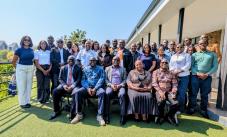
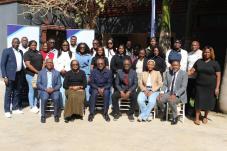
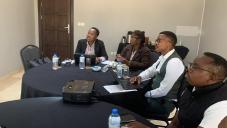
The event was attended by lawmakers, His Royal Highness Chief Chamuka of the Lenje people, civil society organisations, media houses, and university students.