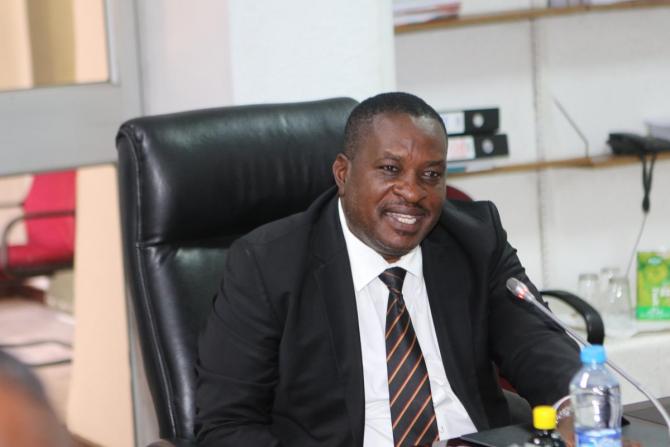
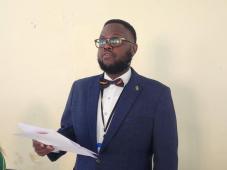
The Second Deputy Speaker of the National Assembly, Hon. Moses Frank Moyo, says water and sanitation remain a key component of national development and must be prioritised across various sectors.
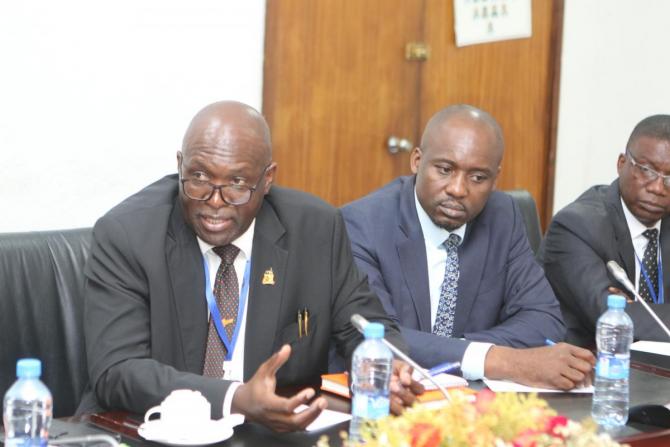
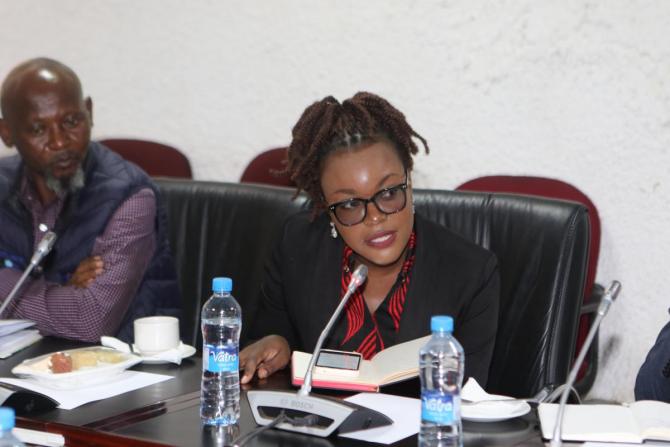
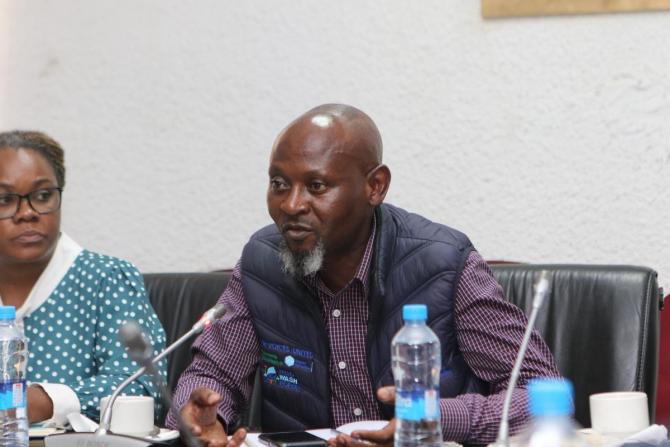
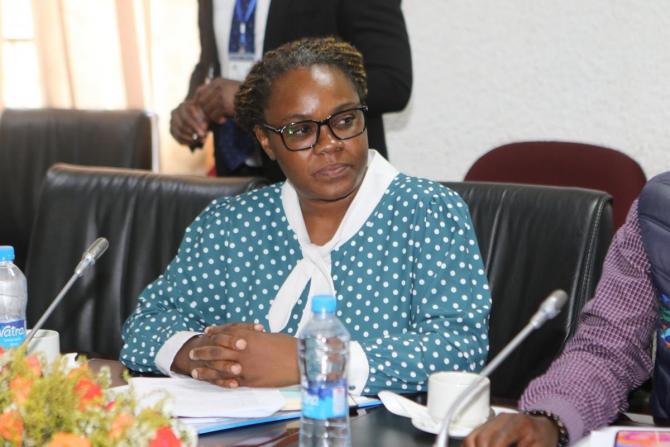
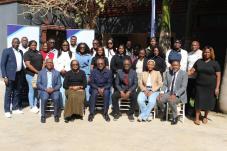
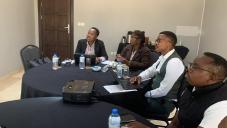
Hon. Moyo said this on Wednesday, 18th March, 2026, in Committee Room 5 at Parliament Buildings when a delegation from the Zambia Water, Sanitation and Hygiene (WASH) Forum paid a courtesy call on him.
He noted that while the WASH sector may appear to receive limited direct budget allocation, investments in water and sanitation are often integrated within broader infrastructure projects such as schools, health facilities and community development initiatives under the Constituency Development Fund (CDF).
“While it may look as though the sector is receiving only one percent, when we aggregate investments across sectors, we may find that it is more than one percent or even five percent,” he said.
Hon. Moyo added that there is need for greater visibility of funding to the sector and encouraged Zambia WASH to actively participate in parliamentary budget processes.
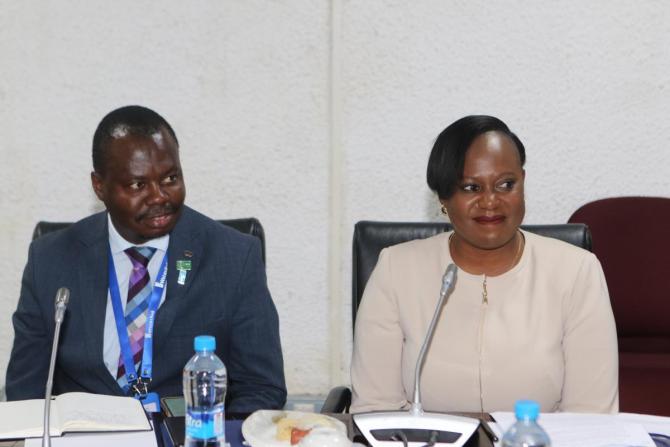
Meanwhile, Vice Board Chairperson of the Zambia WASH Forum, Ms. Jenala Chipungu, said the delegation’s visit to the National Assembly aimed to present its strategic work and explore areas of collaboration with Parliament on water, sanitation and hygiene. She noted that the engagement is timely as the country approaches World Water Day 2026.
“Access to water and sanitation is a fundamental human right and a prerequisite for the dignity and health of every Zambian,” she said.
Ms. Chipungu further called for a shift towards recognising women as key decision-makers in water governance.
Speaking at the same event, the Deputy Clerk (Administration), Mr. Sage Samuwika, said Parliament has a number of platforms that can be used to advance issues of water and sanitation, including caucuses, committees and proceedings on the floor of the House.
He said there is room to push for reforms, noting that recent developments in other sectors show that new laws can still be introduced where there is need.
“Nothing is set in stone. Members can use available platforms, including caucuses and the floor of the House, to raise these matters,” he said.
He also said Parliament has continued to promote gender balance within its structures, but stressed that efforts to address gender issues should remain inclusive.
He added that existing parliamentary rules already support gender balance in leadership positions and noted that a committee focusing on women’s affairs is expected to be established in the next Parliament.
Zambia Wash Forum, Board Member, Mr. Sakala called for the inclusion of clearly defined quotas for women in water governance structures under the Water Resources Management Act No. 21 of 2011.
“If you look at those most affected by water challenges, it is women who walk long distances to fetch water. Their participation in decision-making must therefore be clearly defined in law,” he said.
Meanwhile, Board Member, Ms. Bridget Nzazi explained that while the Environmental Management Act of 2011 recognises the right to a clean, safe and healthy environment, there is no standalone legal provision for the right to water and sanitation.
“If we can have a standalone right to water and sanitation, the Zambian people will be able to hold the State accountable,” she said.
Speaking on the broader role of water in development, Zambia WASH Forum, Board Member, Mr. Henry Mulenga said there is need to reposition water as a key economic driver in national planning. He noted that water is essential to industrialisation, agriculture and energy stability.